 how-to
Family Cruise Planning for First-Timers: 2026 Guide
Table of Contents
- Start Your Family Cruise Planning 12 Months in Advance
- How to Choose a Cruise for a Family: Ship Class and Itinerary
- Family Cruise Packing List: Essentials and Space-Saving Tips
- Family Cruise Costs 2026: Budgeting Your Total Trip Expense
- Selecting Cabins for Families: Size, Location, and Layout
- Planning Excursions and Shore Activities by Port Day
- Documents, Check-In, and Embarkation Day Checklist
- Preparing for Common First-Timer Challenges
- Frequently Asked Questions
Last Updated: October 6, 2026
Start Your Family Cruise Planning 12 Months in Advance
Family cruise planning for first-timers works best on a structured timeline. Starting a year ahead lets you research, book at better rates, and handle details without stress, families who rush pay premium prices or miss out on cabin choices.
Month 1-2: Research and Decision-Making
Your first two months are about gathering information and narrowing your choices. Don't book yet, just explore.
Start by identifying what matters most to your family:
- Your kids' ages and activity preferences
- How many sea days versus port days you want
- Your total budget range
Compare cruise line websites for kids' clubs, entertainment, and amenities. A family with toddlers has different needs than one with teenagers.
Create a simple spreadsheet comparing 3-5 cruise lines: destinations, ship sizes, and family-friendly features.
Month 3-6: Book Your Cruise and Accommodations
Once you've narrowed your options, it's time to book. This is when working with a travel advisor makes a real difference.
Travel advisors access the same fares you'll find online, but bring industry connections and negotiating power.
When selecting your cabin, consider:
- Location (mid-ship is steadier, higher decks offer better views)
- Room type (inside, oceanview, balcony, or suite)
- Proximity to kids' clubs and dining areas
Book flights during this period too, comparing bundled cruise-and-air packages against booking separately.
Month 7-9: Plan Activities and Shore Excursions
With your cruise booked, plan what you'll do at each port and onboard.
Most cruise lines publish the daily activity schedule 30-60 days before departure.
Shore excursions require advance planning, popular family-friendly options fill quickly.
Book early through your cruise line or trusted third-party vendors, and read other families' reviews about timing and safety.
Month 10-12: Final Preparations and Documentation
Your final months focus on logistics and peace of mind.
Gather required documents:
- Passports for all family members (check expiration dates, most require 6 months validity beyond your travel dates)
- Birth certificates for children under 16 (some cruise lines require these)
- Vaccination records if your destination requires them
Visit your doctor 4-6 weeks before departure for motion sickness prevention, required vaccinations, and refill prescriptions.
Create a family cruise planning checklist and review it weekly during the final month. Confirm cabin assignment, dining reservations, and excursions, and download your cruise line's app.
How to Choose a Cruise for a Family: Ship Class and Itinerary
Selecting the right cruise means matching ship characteristics and destination to your family's needs. Not all cruises suit all families.
Matching Ship Size to Your Family's Needs
Ship size dramatically affects your family cruise experience. Larger ships (3,000+ passengers) offer more dining, entertainment, and kids' activities; smaller ships (under 2,000) offer a more intimate atmosphere and easier navigation with young children.
Consider these factors:
Large Ships (3,000+ passengers):
- More dining and entertainment options
- Bigger kids' clubs with age-specific programming
- More activities happening simultaneously
Medium Ships (1,500-3,000 passengers):
- Good balance of activities and manageable size
- Kids' clubs present but less extensive
- Easier to navigate with young children
Small Ships (under 1,500 passengers):
- Intimate, less crowded atmosphere
- Fewer kids' activities and dining options
- Better for families comfortable with quieter experiences
Families of four fit comfortably in standard cabins; larger families need suites or connecting rooms, which cost more but provide essential space.
Selecting a Destination and Itinerary
Your destination shapes your entire family cruise experience.
Alaska cruises appeal to families wanting natural beauty and adventure, glaciers, wildlife viewing, and outdoor activities.
Mediterranean cruises suit families wanting culture and history. Longer voyages and more complex itineraries appeal to older kids and teenagers.
Mexican Pacific cruises offer beach time and water activities. Good for families seeking active ports and warm weather.
When evaluating an itinerary, check:
- Number of sea days versus port days
- Port call duration (some ports allow only 8 hours ashore)
- Whether your family prefers relaxation or exploration
Family Cruise Packing List: Essentials and Space-Saving Tips
Cruise cabins are small, a family of four shares roughly 180 square feet. Smart packing means bringing what you need without overstuffing.
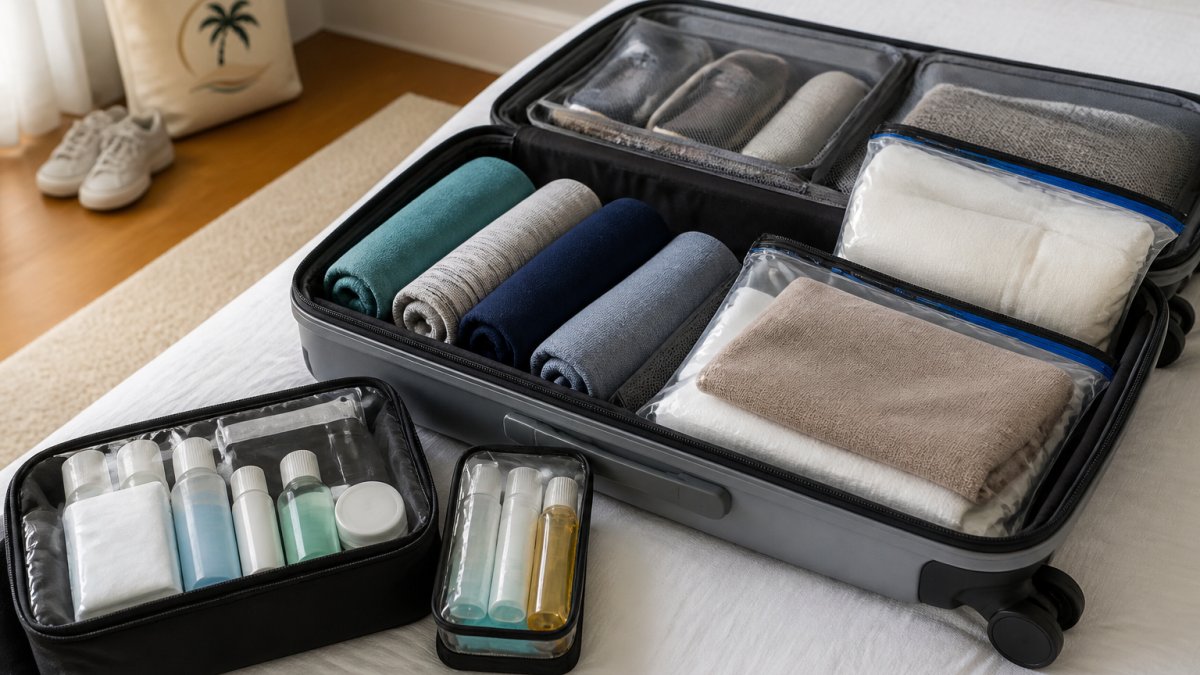
Avoid Overpacking With Smart Organization
The biggest mistake families make is overpacking. You'll have laundry service onboard. You don't need as many clothes as you think.
Pack this way:
Clothing (per person):
- 5-6 casual outfits for daytime
- 2-3 formal or semi-formal outfits for dinner
- 1-2 swimsuits
Space-saving techniques:
- Use compression bags or zip-close bags (they reduce volume by 50%)
- Roll clothes instead of folding
- Wear your bulkiest items during travel days
Toiletries:
- Travel-size bottles (cruise lines provide basic soap and shampoo)
- Medications in original containers with labels
- Sunscreen (very important, buy travel size)
Bring travel sizes, most cruise cabins have limited counter space.
Cabin-Specific Items and Onboard Necessities
Certain items make cabin life easier for families:
- Power strip or surge protector (outlets are limited)
- Phone chargers for all devices
- Clothespins or small clips (hang wet swimsuits)
Avoid packing:
- Full-size hair dryers (cabins have them)
- Heavy books (use your phone or tablet)
- Excessive shoes
Family Cruise Costs 2026: Budgeting Your Total Trip Expense
Family cruise planning requires honest budgeting. The advertised fare is just the beginning. Your total trip cost includes multiple components.
Cruise Fare, Taxes, and Fees
The base fare covers your cabin and main dining meals, but taxes, port fees, and gratuities add 20-30%.
Budget realistically:
Cruise fare components:
- Base cabin rate
- Taxes and port fees (added at checkout)
- Gratuities (typically $15-16 per person per day)
A family of four in a standard oceanview cabin might see a base fare of $2,000-3,000 for a 7-day cruise, plus $600-800 in taxes and fees, plus $420-450 in gratuities.
Booking early (6-12 months ahead) usually yields better pricing; last-minute deals limit cabin and itinerary choices.
Onboard Spending and Shore Excursion Costs
Onboard spending adds up quickly. Budget for:
Beverages beyond included meals:
- Specialty coffees: $5-7 each
- Alcoholic drinks: $8-12 each
- Bottled water: $3-4 each
Dining upgrades:
- Specialty restaurants: $15-30 per person per meal
- Room service: $7-15 per item
- Snacks and desserts throughout the day
Activities and entertainment:
- Spa services: $100-300 per treatment
- Fitness classes: $10-15 per class
- Onboard shows (usually included, but some specialty shows cost extra)
Shore excursions:
- Beach and water activities: $60-150 per person
- Cultural tours: $80-200 per person
- Adventure activities: $100-250 per person
A family of four spending moderately on excursions and onboard extras might add $1,000-2,000 to their cruise cost.
Total family cruise budget estimate for 2026:
- Cruise fare and fees: $3,000-4,500
- Flights (if not included): $800-1,600
- Shore excursions: $800-1,600
A travel advisor like Sand and Sun Travels helps optimize this budget by leveraging exclusive industry partnerships to secure VIP upgrades and resort credits that can reduce your net spending.
Selecting Cabins for Families: Size, Location, and Layout
Your cabin is your family's home for the week.
Interior cabins (no window) cost less but feel cramped for families.
Oceanview cabins (window with view) cost more but feel larger.
Balcony cabins offer outdoor space.
Family suites or connecting rooms work best for larger families or families wanting more space.
Location matters:
- Mid-ship cabins experience less motion. Families prone to seasickness should request mid-ship locations.
- Lower decks mean less noise from activities above but feel more enclosed.
- Higher decks offer better views and feel less claustrophobic but may have more motion in rough seas.
Planning Excursions and Shore Activities by Port Day
Shore excursions define your family cruise experience. Planning them properly prevents disappointment and ensures a safe return to the ship.
Understanding Return-to-Ship Times and Departure Schedules
This is critical: never miss your ship's departure time. The ship will leave without you, and you'll have to fly to the next port at your own expense.
Each port has a specific all-aboard time, published in your cruise documents and onboard app. Build in a safety margin:
- If all-aboard is 5:00 PM, plan to return by 4:00 PM
- If all-aboard is 4:00 PM, plan to return by 3:00 PM
- Never book excursions that require returning within 30 minutes of all-aboard time
Cruise line excursions include buffer time and guarantee return before departure; third-party excursions don't always offer this protection.
Check your ship's departure time each morning. Some ports have earlier all-aboard times. Your cruise app updates this information daily.
Age-Appropriate Activities and Kids' Club Options
Match excursions to your children's ages and abilities:
Toddlers and young children (ages 2-5):
- Beach time and shallow water activities
- Short, easy tours (under 2 hours)
- Activities with minimal walking
School-age children (ages 6-11):
- Snorkeling and water sports
- Cultural tours and historical sites
- Zip-lining and adventure activities (with age/height requirements)
Teenagers (ages 12+):
- More adventurous activities (scuba diving, kayaking)
- Longer excursions (4-6 hours)
- Independent exploration (with safety guidelines)
Most cruise lines operate kids' clubs with age-specific programming, typically during formal dining nights and scheduled entertainment. Kids make friends and play while parents get a break.
Register children for kids' club activities during your pre-cruise planning. Popular sessions fill quickly.
Documents, Check-In, and Embarkation Day Checklist
Embarkation day sets the tone for your entire family cruise. Arriving prepared and organized reduces stress and gets you onboard quickly.
Required Travel Documents and Passport Information
Gather these documents before your cruise date:
For all passengers:
- Valid passport (must not expire within 6 months of travel)
- Cruise line boarding documents
- Photo ID for adults
For children:
- Birth certificate (required by most cruise lines for minors under 16)
- Passport or passport card
- Proof of citizenship
Medical documentation:
- Prescription medications in original labeled containers
- Doctor's letter explaining any medical conditions or medications
- Allergy information and emergency contact numbers
Financial:
- Credit card for onboard charges
- Some cash for ports (though most accept cards)
- Travel insurance policy number and contact information
Verify passport expiration dates 6 months before your cruise and renew immediately if needed, processing takes 4-12 weeks.
Copy important documents, store them separately from originals, and scan them to your phone as backup.
Disembarkation and Pickup List Logistics
Disembarkation requires organization with families. Plan ahead:
Before your final night:
- Pack all luggage except overnight items
- Place luggage outside your cabin by the specified time (usually 10 PM)
- Luggage tags provided by the cruise line direct bags to the terminal
Disembarkation day morning:
- Eat breakfast early
- Monitor your cabin TV for your disembarkation group and time
- Gather remaining items
With children:
- Keep kids close in the crowded terminal
- Have snacks and entertainment ready
- Use the bathroom before lining up
After disembarkation:
- Collect luggage from the terminal (follow cruise line instructions)
- Verify all bags are accounted for
- Check luggage for damage before leaving the terminal
Preparing for Common First-Timer Challenges
Every family faces unexpected situations on their first cruise. Preparing prevents panic.
Motion Sickness, Dietary Needs, and Medical Preparation
Motion sickness affects some family members on rough seas.
Dietary needs require advance communication. Inform your cruise line of food allergies (severe ones need doctor's documentation), vegetarian, vegan, religious, kosher, halal, or gluten-free requirements.
Most cruise lines accommodate dietary needs if notified 30 days in advance, and dining staff will have your requirements noted.
The ship's medical center charges for services. Travel insurance covering medical care prevents unexpected bills.
Child Supervision and Safety Protocols
Cruise ships feel safe, but families need clear rules:
Before boarding:
- Teach children your cabin number and phone number
- Show them your assigned muster station (emergency assembly point)
- Explain that they must never leave the ship without you
During the cruise:
- Use kids' clubs during designated times only
- Know pickup procedures and times
- Use the ship's ID card system (kids wear ID bracelets)
At ports:
- Keep children close in busy areas
- Establish a meeting point in each port
- Teach children to identify uniformed staff if separated
Most cruise lines provide ID bracelets for young children, letting staff reunite separated children with parents quickly.
Planning your family cruise doesn't have to feel overwhelming. Start early, break the process into manageable phases, and you'll create memories your family treasures for years. At Sand and Sun Travels, we help families navigate every step of family cruise planning, from selecting the right ship to securing onboard credits and cabin upgrades.
Frequently Asked Questions
How far in advance should you book a family cruise?
Book 9 to 12 months ahead to secure better pricing, cabin selection, and availability for your preferred ship and itinerary. Early booking also gives you time to plan shore excursions, arrange travel documents, and budget for onboard expenses. Many cruise lines offer family promotions and discounts for early bookings, making advance planning financially advantageous.
What are the biggest mistakes first-time family cruisers make?
Common mistakes include overpacking (cabins are small), not booking excursions in advance, underestimating onboard costs, and failing to prepare children for sea days or motion sickness. Many first-timers also don't review return-to-ship times carefully, leading to missed departures. Using a family cruise planning checklist and setting clear expectations with children before embarkation prevents most of these issues.
How much does a family cruise cost in 2026?
Family cruise costs vary widely based on ship class, destination, cabin type, and travel dates. Costs include the cruise fare, taxes and fees, onboard dining and activities, gratuities, and shore excursions. Budget for additional expenses like travel insurance, pre-cruise accommodations, and post-cruise transfers. A travel advisor can provide personalized cost estimates based on your family's size, preferences, and destination.
What should you pack for a family cruise?
Pack casual daytime clothing, formal wear for dining nights, swimwear, comfortable walking shoes, and sun protection. Include medications, toiletries, power strips for cabin charging, and entertainment for sea days. Bring a small first-aid kit, any special dietary items, and documents like passports and travel insurance. Use a family cruise packing list to stay organized and avoid overpacking in limited cabin space.