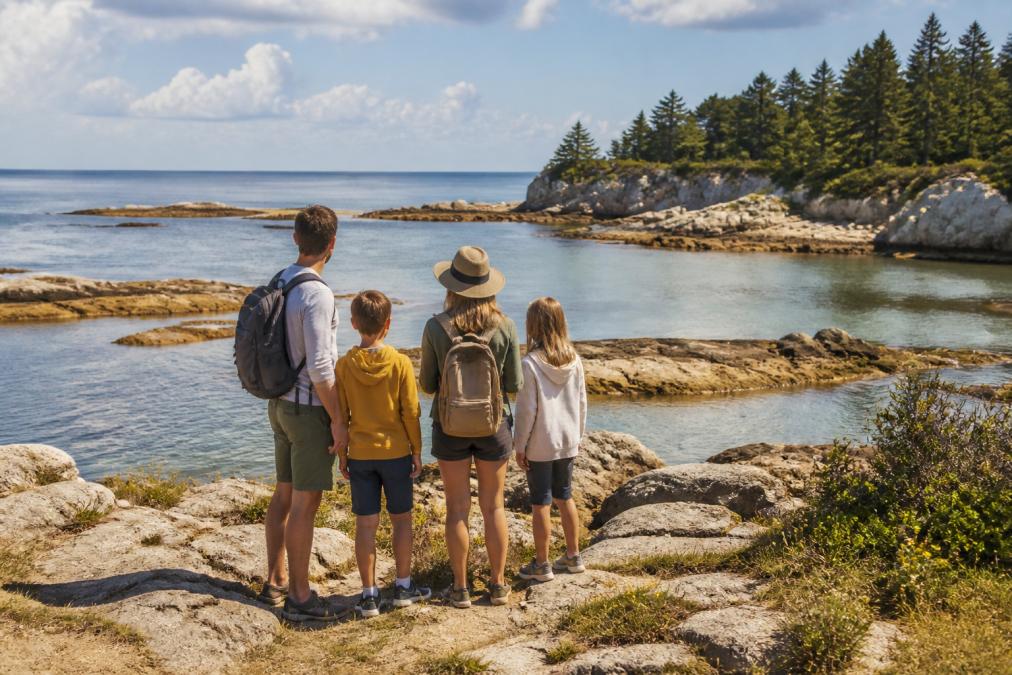
 comparison
Shoreline Destinations Alternatives for Families
Table of Contents
- Why Families Choose Shoreline Destinations Alternatives
- Mountain and Alpine Destinations for Family Adventures
- National Parks and Nature Reserves That Engage All Ages
- Cultural and Historical City Breaks for Educational Travel
- Best Family Vacation Spots Without Beaches
- Benefits of Using a Travel Advisor for Family Vacations
- How to Plan a Multi-Generational Family Trip
- Conclusion
- Frequently Asked Questions
Last Updated: August 28, 2026
Why Families Choose Shoreline Destinations Alternatives
When families think about vacation planning, the beach often comes to mind first. Yet shoreline destinations alternatives offer equally compelling experiences: exploring landscapes, cultures, and activities that create deeper family memories. At Sand and Sun Travels, we've worked with families who discovered that moving beyond traditional beach vacations opens entirely new possibilities for bonding, learning, and adventure.
The real appeal lies in variety. Mountains offer hiking trails where kids discover ecosystems. National parks provide educational experiences that no resort can replicate. Historic cities teach history through walking tours and local interactions. These alternatives deliver what modern families actually want: meaningful time together without logistical stress.
Many families also find that shoreline destinations alternatives reduce travel fatigue. Instead of flying eight hours to a Caribbean island, you might drive to a mountain destination or take a short flight to a cultural hub. Shorter travel times mean more vacation time actually enjoying your destination, not recovering from jet lag.
Whether you're managing multi-generational travel, accommodating different interests, or tired of the same beach resort experience, shoreline destinations alternatives give you flexibility that traditional vacation packages don't.
Mountain and Alpine Destinations for Family Adventures
Mountain and alpine destinations represent some of the best family vacation spots without beaches, offering outdoor recreation that appeals across age groups. Unlike crowded beach resorts, mountain environments encourage active engagement: kids hike, explore streams, learn about wildlife, and build confidence in natural settings.
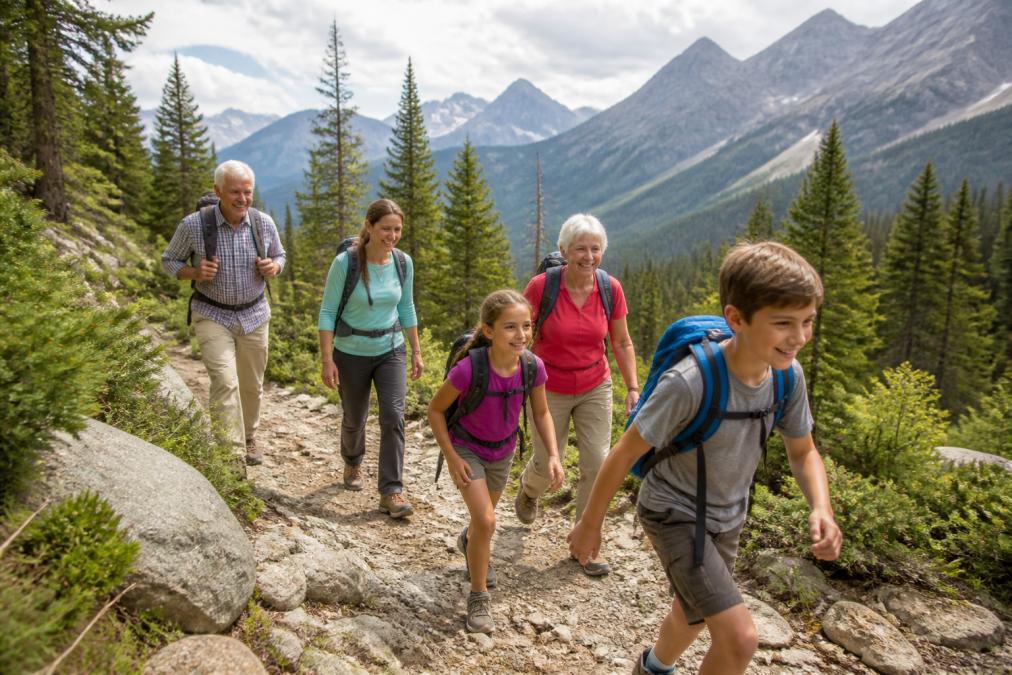
Popular mountain destinations include the Rocky Mountains, the Smoky Mountains, and alpine regions in Colorado. The Smoky Mountains provide accessible trails, waterfalls, and wildlife viewing without extreme elevation (nps.gov). Colorado's mountain towns combine outdoor recreation with cultural amenities, art galleries, and local restaurants. The Rockies offer everything from easy valley walks to challenging alpine hikes.
Mountain destinations typically require a car for daily exploration, making them ideal for families comfortable with road trips. Accommodations range from rustic cabins to mountain resorts with full amenities. Renting a cabin near a national park often provides more flexibility and costs less than traditional resort packages.
Families moving from sea level to high elevations should plan easier activities for the first day or two to adjust to altitude (the CDC). Bring layers, mountain weather changes rapidly throughout the day.
Sand and Sun Travels helps families navigate these logistics. Our advisors know which mountain destinations work best for specific age groups and can arrange accommodations that balance comfort with authentic mountain experiences.
National Parks and Nature Reserves That Engage All Ages
National parks offer educational travel opportunities that transform how families understand landscapes, history, and conservation. Unlike passive beach time, national parks encourage active learning. Kids discover ecosystems, see wildlife in natural habitats, and understand why these places matter.
The best national parks for families balance accessibility with genuine natural experiences. Yellowstone works for multi-generational trips because geysers and hot springs fascinate children, while scenic drives and moderate hikes satisfy adults. The Grand Canyon offers rim walks for casual visitors and serious hiking for experienced families. Zion provides slot canyons and waterfall hikes that feel adventurous without requiring technical climbing skills.
Seasonal travel planning affects park visits significantly. Summer brings crowds but reliable weather. Spring and fall offer fewer visitors and comfortable temperatures. Families with young children typically prefer late spring through early fall. Families with teenagers might find shoulder seasons offer better experiences with fewer crowds.
Research specific trails before arriving rather than discovering a trail exceeds your group's abilities once you're at the park. The National Park Service provides detailed trail information for this purpose (nps.gov).
Ranger-led programs add educational value. Junior Ranger programs engage kids with scavenger hunts and learning activities. Evening campfire talks teach natural and cultural history. These programs transform park visits from sightseeing into genuine education.
Cultural and Historical City Breaks for Educational Travel
Cities offer immersive cultural experiences that teach history, art, and human achievement. Educational travel through historic cities works differently than resort vacations. Families explore museums, walk historic districts, taste local food, and engage with places that shaped their country's story.

Cities like Boston, Philadelphia, Washington D.C., and Savannah combine walkable historic districts with family-friendly museums and restaurants. Boston's Freedom Trail guides visitors through Revolutionary War history via a walking path. Philadelphia offers Independence Hall and the Liberty Bell alongside modern museums. Washington D.C. provides world-class museums, most free, plus monuments that teach civic history. Savannah combines historic squares with accessible attractions and ghost tours that fascinate older kids.
The advantage of city breaks is flexibility. Unlike resort packages with fixed activities, cities let families choose their pace. Tired after a museum? Sit in a park. Kids want to explore? Walk neighborhood streets and discover local shops. This flexibility matters for multi-generational travel where preferences vary widely.
Walking is primary transportation in cities, so comfortable shoes matter significantly. Many cities have excellent public transit, reducing the need for rental cars. Families with very young children or mobility limitations should research accessibility before booking, as some historic districts have uneven sidewalks and stairs.
Cultural immersion happens naturally in cities. Kids learn from observation. Museums offer structured learning. Local guides provide context. These experiences stick with children longer than passive resort time.
Best Family Vacation Spots Without Beaches
Beyond mountains, parks, and cities, other shoreline destinations alternatives deserve consideration. Dude ranches in the Southwest offer horseback riding and outdoor skills training. Lake destinations provide water activities without ocean travel. Wine country regions combine scenic drives and farm visits. Theme parks create vacation experiences entirely different from traditional hospitality.
The key distinction: these alternatives engage families actively rather than passively. Dude ranches teach horsemanship. Lake destinations offer water recreation with easier logistics than ocean travel. Wine country visits include farm tours. Theme parks provide structured entertainment for different ages.
Budget-friendly family travel often favors these alternatives. A week at a dude ranch can be a cost-effective option compared to some resort experiences and may include meals and activities. Lake cabins can be more affordable than some beach properties. Road trips to scenic destinations avoid airfare costs.
Accessibility considerations vary by destination type. Dude ranches require basic physical capability for horseback riding. Lake activities need swimming ability or life jackets. Theme parks are generally accessible but involve significant walking. Families should assess physical requirements honestly before booking.
Sand and Sun Travels specializes in helping families navigate these options. Our advisors understand the logistics of different destination types and can match family needs to appropriate choices.
Benefits of Using a Travel Advisor for Family Vacations
Professional travel advisors bring expertise that prevents costly mistakes, access that individuals can't obtain alone, and support that transforms stressful situations into manageable ones.
Expertise prevents problems. Travel advisors know which destinations work for specific family compositions and understand accessibility requirements. They recognize potential conflicts before they happen. A family with a picky eater, a child prone to motion sickness, and a grandparent with mobility limitations needs an advisor who understands how these factors interact.
Access matters significantly. Travel advisors have relationships with hotels, tour operators, and activity providers that translate to upgrades, credits, and exclusive experiences not available to direct bookers.
Support during travel transforms disasters into stories. Flight cancellations happen. Hotels lose reservations. An individual traveler handles these problems alone. A travel advisor intervenes immediately, rebooking flights, finding alternative accommodations, and arranging replacement activities.
Planning a complex family trip requires research, decision-making, coordination, and contingency planning. Advisors handle this work so families focus on anticipation and excitement, not logistics.
Bilingual support adds another dimension. Sand and Sun Travels provides bilingual advisors who help families communicate with hotels and tour operators, arrange activities, and navigate unexpected situations in either language.
How to Plan a Multi-Generational Family Trip
Planning a multi-generational family trip requires balancing grandparents, parents, and children's different needs, interests, and physical capabilities.
Start with honest conversations about priorities. What matters most to grandparents? What do parents want to accomplish? What would kids genuinely enjoy? These conversations prevent resentment later.
Logistics planning determines feasibility. Where can everyone comfortably stay? How much walking or physical activity is realistic? A week works better than two weeks for multi-generational groups. A single large vacation rental lets everyone gather for meals and downtime without hotel logistics.
Activity structure prevents conflict. Plan some group activities everyone participates in, some activities for subgroups with shared interests, and some free time for individual preferences. This structure maintains family bonding while respecting different interests.
Travel advisors excel at multi-generational planning. They understand how to structure itineraries that work across age groups and know which accommodations facilitate family time.
Physical accessibility deserves explicit attention. Ask directly which family members need mobility accommodations, who gets fatigued easily, who has dietary restrictions, and who struggles with crowds. Once you understand these factors, design the trip accordingly.
Budget considerations shift with multi-generational groups. More people means higher costs, but shared accommodations and group meals reduce per-person expenses. Discuss budget openly so everyone understands what's realistic.
Conclusion
Shoreline destinations alternatives offer families experiences that traditional beach vacations cannot match. Mountains, national parks, historic cities, and specialized destinations create deeper engagement, stronger learning, and more meaningful family bonding. The variety available means every family can find destinations matching their interests and capabilities.
Planning these trips requires expertise that transcends online booking. Professional travel advisors bring destination knowledge, access to exclusive benefits, and support during travel that transforms good vacations into exceptional ones.
Sand and Sun Travels specializes in exactly this work. Our bilingual advisors understand family travel logistics, multi-generational dynamics, and how to design itineraries that work for everyone. We secure VIP upgrades, resort credits, and exclusive experiences you cannot find booking independently. More importantly, we provide real human support before, during, and after your trip, so you travel confidently knowing an expert has your back. Request a quote today and discover how personalized travel planning transforms family vacations from stressful logistics into genuine adventures.
| Shoreline Destinations Alternative | Best For | Key Advantage |
|---|---|---|
| Mountain & Alpine Destinations | Active families, multi-generational groups | Accessible outdoor recreation, varied difficulty levels |
| National Parks & Nature Reserves | Educational focus, all ages | Immersive learning, iconic landscapes, ranger programs |
| Historic Cities | Cultural immersion, older kids | Walking exploration, museums, flexible pacing |
| Dude Ranches | Adventure-seeking families | Horseback riding, outdoor skills, all-inclusive pricing |
| Lake Destinations | Water recreation, budget-conscious | Swimming & kayaking, calmer waters, lower costs |
| Theme Parks & Resorts | Structured entertainment, younger kids | Built-in activities, family-friendly amenities |
Frequently Asked Questions
Q: What are the best family vacation spots without beaches?
A: Mountain resorts, national parks, and historic cities offer excellent alternatives for families seeking non-beach vacations. Destinations like the Rocky Mountains, Yellowstone, and Charleston combine outdoor recreation, educational experiences, and family-friendly activities. Adventure travel in these areas includes hiking, wildlife encounters, and cultural immersion. A travel advisor can customize itineraries around your family's specific interests, whether that's outdoor recreation, historical sightseeing, or local cuisine experiences.
Q: What are the benefits of using a travel advisor for family vacations?
A: Travel advisors handle complex logistics, secure exclusive amenities, and provide real human support before, during, and after your trip. For families with diverse needs, picky eaters, motion sickness concerns, or accessibility requirements, advisors customize itineraries that generic online booking cannot match. They access VIP upgrades and resort credits unavailable to independent bookers, manage unexpected changes like flight cancellations, and offer bilingual support for multi-generational groups. This stress-free approach lets families focus on bonding rather than logistics.
Q: How do I plan a multi-generational family trip that works for everyone?
A: Start by identifying shared interests and physical capabilities across age groups. Balance activities that appeal to children, parents, and grandparents, such as scenic drives, accessible outdoor recreation, and cultural experiences. Consider travel infrastructure: direct flights reduce fatigue, and vacation rentals with multiple bathrooms ease logistics. A travel advisor specializing in multi-generational trips can structure daily itineraries with built-in rest time, arrange accessible accommodations, and pre-book activities that accommodate varying mobility levels and dietary needs.
Q: Are shoreline destinations alternatives actually better for families than beach vacations?
A: It depends on your family's priorities. Mountain and nature-based destinations offer educational travel, adventure experiences, and often lower costs than resort beaches. They work well for families seeking outdoor recreation, cultural immersion, and scenic landscapes. Beach alternatives reduce sun exposure concerns and appeal to families who find sand uncomfortable. However, some families prefer beach relaxation. The key is matching the destination to your family's interests, travel style, and budget rather than defaulting to shoreline options.
Q: What travel logistics should I plan for a non-beach family vacation?
A: Non-beach destinations often require different planning than shoreline trips. Consider transportation needs: mountain destinations may require rental cars, while cities benefit from public transit. Research seasonal weather and pack accordingly. Plan activities with mixed physical demands so all ages stay engaged. Budget for dining variety if your family has specific food preferences. A travel advisor can map out realistic daily itineraries, pre-book attractions to avoid long lines, and arrange transportation that works for your group's size and mobility needs.