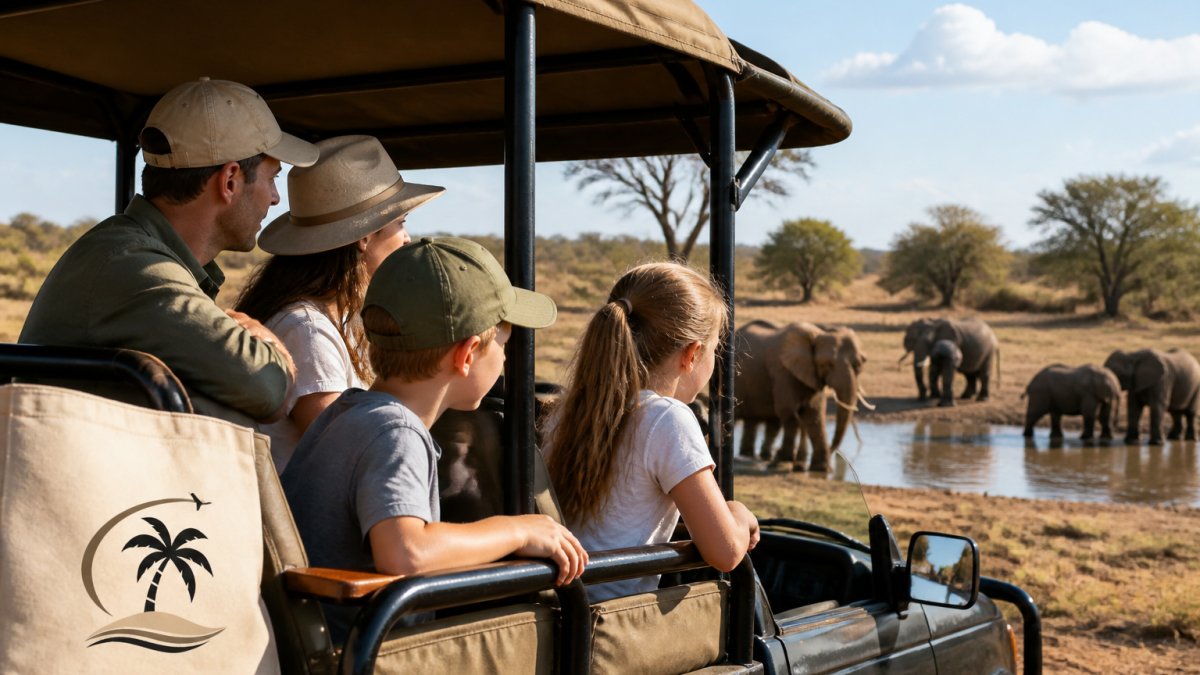
 ultimate-guide
Wildlife Adventure Tours for Families 2026
Table of Contents
- What Makes Wildlife Adventure Tours Perfect for Families
- Best Time of Year for Family Wildlife Tours
- Planning Wildlife Tours Around Your Family's Needs
- Best Family Adventure Travel Companies
- Wildlife Tour Packing List for Families
- Conservation and Ethical Wildlife Encounters
- Educational Opportunities and Post-Trip Learning
- Frequently Asked Questions
Last Updated: October 3, 2026
What Makes Wildlife Adventure Tours Perfect for Families
Family wildlife adventure tours deliver something most vacations don't: genuine connection to the natural world without sacrificing safety or comfort.
The magic happens when families step outside their daily routines and into ecosystems where wildlife thrives. Your children see how ecosystems function. They understand why habitat preservation matters. They return home changed.
At Sand and Sun Travels, we design wildlife adventure tours for families specifically around what families actually need: age-appropriate pacing, flexible itineraries that accommodate different energy levels, and expert guides who speak to both kids and adults.
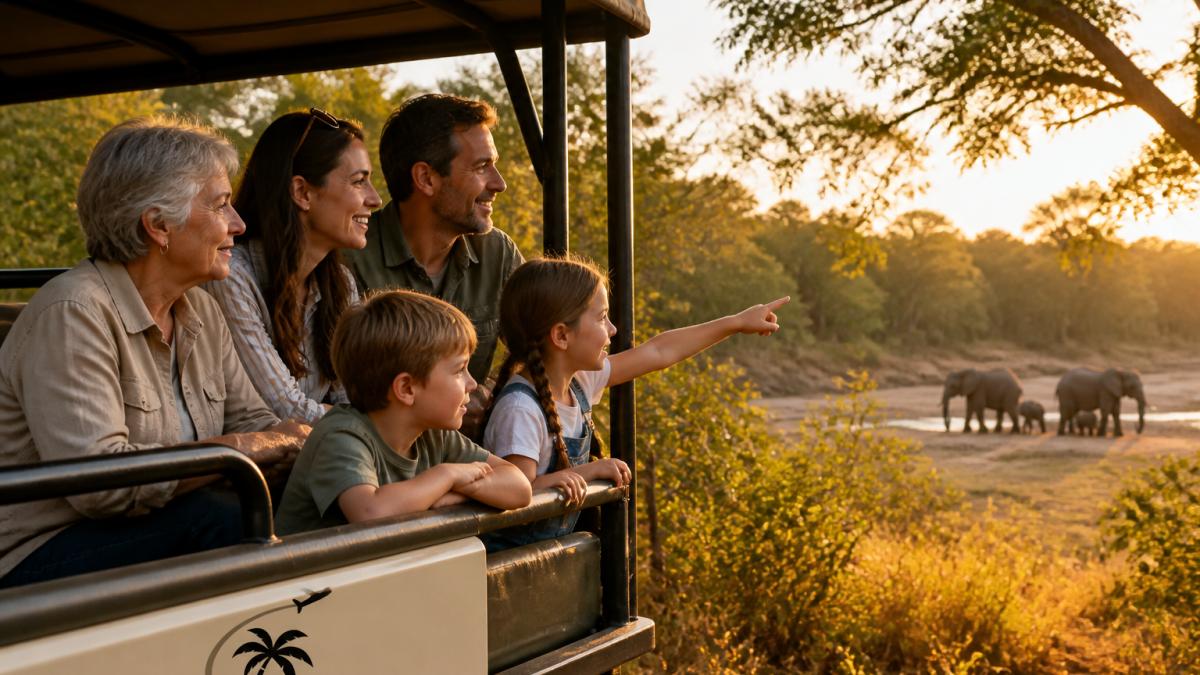
Wildlife adventure tours for families work because they balance education with genuine adventure. Your family isn't passively watching a nature documentary, you're part of the ecosystem's story. Small group expeditions mean your kids aren't competing with hundreds of other tourists for a glimpse of wildlife.
The educational component matters more than most families realize. Children who participate in immersive nature experiences, observing wildlife migration patterns, learning about habitat preservation, understanding food chains in real time, develop environmental literacy that sticks. These aren't abstract concepts anymore.
Best Time of Year for Family Wildlife Tours
Timing determines whether your wildlife adventure tours for families will deliver the wildlife encounters you're hoping for. Different ecosystems peak at different seasons, and choosing the wrong window means missing migrations, mating seasons, or simply encountering fewer animals.
Most families assume summer is ideal because school schedules align. Spring and fall often deliver superior wildlife viewing with smaller crowds and more comfortable temperatures. Migration seasons, when animals move between habitats, create the most dramatic wildlife encounters. Your family might witness thousands of birds moving through a single location over a few weeks.
Research the specific destination's peak season before booking. Tropical rainforests peak during dry seasons when animals congregate around water sources. Savanna safaris deliver the best viewing during dry months when vegetation thins and animals cluster near remaining water. Temperate forests showcase wildlife diversity during spring and fall when migration patterns intensify.
Consider your family's comfort alongside wildlife timing. Summer heat in tropical destinations can exhaust younger children. Winter in temperate regions requires serious cold-weather gear. The sweet spot usually falls in shoulder seasons, late spring or early fall, when wildlife activity remains high while temperatures stay manageable for families with varying ages and physical tolerance.
Planning Wildlife Tours Around Your Family's Needs
Wildlife adventure tours for families require more customization than standard vacation packages. One family's ideal itinerary, early morning hikes, multiple activity sessions daily, challenging terrain, becomes another family's nightmare. The difference between a successful trip and a stressful one depends entirely on honest assessment of your family's actual needs.
Age-Appropriate Activities and Physical Requirements
Wildlife tours span a massive range in physical demand. Some involve gentle walks on established trails with frequent rest stops. Others require multi-hour hikes through challenging terrain at high altitude. Your family's age mix and fitness levels must align with the actual tour difficulty, not the marketing description.
Young children (ages 4-8) thrive on shorter, slower-paced expeditions with frequent breaks and simple educational content. They need guides who can explain animal behavior in age-appropriate language and tolerate interruptions for questions. Tours lasting more than 4-5 hours daily exhaust them. Teens (ages 13+) often handle longer days and more challenging terrain, but they need engagement beyond passive wildlife observation, photography opportunities, research activities, or citizen science projects.
Mixed-age families need guides experienced in addressing this complexity. The best wildlife adventure tours for families include flexible pacing where faster hikers can move ahead while others take their time, or multiple activity options at each location so kids can choose based on energy levels.
Physical requirements matter enormously. High-altitude wildlife viewing requires acclimatization time. Jungle expeditions involve muddy, uneven terrain. Boat-based wildlife tours demand comfort with water and potential motion sickness. Be brutally honest about your family's physical capabilities. Sand and Sun Travels advisors help match your family's actual fitness level to tours.
Customizing Itineraries for Neurodivergent Travelers
Neurodivergent family members, whether autistic, ADHD, or sensory-sensitive, often struggle with standard tour structures. Unexpected schedule changes, sensory overload from new environments, or rigid group dynamics can derail an otherwise excellent wildlife adventure.
Customized itineraries address these needs directly. Some families need advance notice of every activity and route change. Others benefit from quieter accommodations away from group dining areas. Some travelers require predictable meal times and familiar food options rather than local cuisine surprises. Children with sensory sensitivities might need breaks from group activities or adjusted accommodation near wildlife viewing areas rather than far away.
The best wildlife adventure tours for families 2026 build flexibility into their structure. Instead of fixed daily schedules, they offer multiple activity options and allow families to choose based on energy and comfort. Guides trained in neurodivergent communication adapt their explanations and pacing. Accommodations include quiet spaces for decompression.
This level of customization isn't standard in mass-market tours. It requires working with travel advisors who understand both wildlife tourism logistics and neurodivergent needs. Sand and Sun Travels creates fully customized itineraries that honor your family's specific requirements.
Best Family Adventure Travel Companies
Choosing the right operator determines whether your wildlife adventure tours for families deliver transformative experiences or logistical nightmares. Mass-market tour companies optimize for volume and standardization. Specialized family adventure operators understand that one family's ideal trip looks completely different from another's.
Sand and Sun Travels builds wildlife adventure tours for families around your family's actual needs, not a template. Our bilingual advisors, fluent in English and Spanish, understand the communication challenges families face when traveling internationally. We use exclusive partnerships to secure accommodations that work for families, arrange flexible activity schedules, and provide real human support if something goes wrong during your trip.
What separates our approach isn't just personalization, it's accountability. When your flight gets delayed or a wildlife viewing doesn't happen as planned, you have a real person on your team working to solve it, not a customer service phone number. Our Fora-certified advisors have access to VIP upgrades and resort credits that create advantages you simply cannot access through standard online booking.
For families with specific needs, neurodivergent members, multiple age groups, dietary restrictions, accessibility requirements, Sand and Sun Travels customizes every detail.
| Company Type | Best For | Approach |
|---|---|---|
| Mass-market operators | Budget-conscious travelers | Fixed itineraries, group focus |
| Specialized family operators | Families with specific needs | Customized planning, flexible schedules |
| Personal travel advisors | Complex family situations | Full customization, real human support |
Wildlife Tour Packing List for Families
What you pack determines comfort and safety on wildlife adventure tours for families. Standard packing lists miss family-specific items that make the difference between a smooth trip and constant frustration.
Start with climate-appropriate clothing in layers. Wildlife viewing often happens during cool morning hours, warming through midday, then cooling again at dusk. Layers let family members adjust without constant outfit changes.
Footwear matters more than most families realize. Children need supportive hiking boots or trail shoes broken in before the trip, not new shoes purchased weeks before departure. Waterproof options prevent misery during wet-season travel.
Sun protection becomes critical. High-altitude locations intensify UV exposure. Tropical environments reflect sun off water and light-colored sand. Pack high-SPF sunscreen, wide-brimmed hats, and UV-blocking shirts for all family members. Sunburn ruins subsequent days of outdoor activity.
Binoculars transform wildlife viewing for kids. Quality optics let children see animals clearly without getting dangerously close. Lightweight models designed for children work better than adult binoculars that prove too heavy for younger arms.
Medications and first-aid supplies must account for your family's specific needs. Bring prescription medications in original containers with documentation. Include motion sickness medication if anyone struggles with boats or vehicles.
Consider bringing familiar comfort items for younger children, a favorite stuffed animal, familiar snacks, or a tablet with downloaded entertainment for downtime. These small touches reduce anxiety in unfamiliar environments.
Conservation and Ethical Wildlife Encounters
Wildlife adventure tours for families carry responsibility. How your family observes animals directly impacts their welfare and the ecosystem's health. Ethical wildlife tourism means understanding that your presence affects the animals you've traveled to see.
Responsible tour operators follow wildlife viewing protocols that protect animals. This means maintaining safe distances, avoiding sudden movements or loud noises, and never attempting to feed or touch wildlife. These aren't arbitrary rules, they prevent stress responses that harm animals and reduce disease transmission between humans and wildlife.
Conservation-focused travel means your tour fees directly support habitat preservation. Ask potential operators how they contribute to conservation. Do they partner with protected areas? Do they employ local guides and contribute to community development? The best wildlife adventure tours for families support the ecosystems they visit, not exploit them.
Carbon-neutral travel options matter increasingly. Consider the environmental cost of flights and transportation. Some operators offset carbon emissions through reforestation projects or renewable energy investments. Others support conservation organizations that protect the habitats your family visits. These commitments transform your wildlife adventure from a consumer experience into participation in ecosystem preservation.
Sustainable tourism means respecting local cultures alongside wildlife. Your family's presence in remote communities affects those communities. Ethical operators ensure your visit benefits local people through employment, education funding, and economic development, not exploitation.
Educational Opportunities and Post-Trip Learning
The real value of wildlife adventure tours for families extends far beyond the trip itself. What your family learns during the expedition continues shaping their environmental awareness for years afterward.
Before departure, prepare your family with basic natural history knowledge. Learn about the specific animals you'll encounter, the ecosystems you'll visit, and the conservation challenges those environments face. Children who arrive with questions get more from their guides than those arriving unprepared.
During the trip, encourage active observation. Have children keep field journals documenting animals observed, behaviors witnessed, and questions that arise. Photography projects give kids a focused activity during downtime. Sketching animals, even roughly, deepens observation skills more than passive watching.
Post-trip integration determines whether the experience becomes a distant memory or lasting learning. Have your family share their experience with friends and family. Create a photo presentation or write about what you learned.
Consider supporting conservation organizations working in the regions you visited. Many families adopt ongoing involvement with specific habitats or species their children encountered. This transforms the wildlife adventure into long-term environmental engagement.
Planning wildlife adventure tours for families requires balancing genuine adventure with safety, education with enjoyment, and environmental responsibility with memorable experiences. The destination matters less than the approach, the right operator, customized itinerary, and family preparation create transformative journeys.
At Sand and Sun Travels, we specialize in complex family planning.
Frequently Asked Questions
What age is best for family wildlife tours?
Most wildlife adventure tours accommodate children ages 5 and up, though some destinations and tour operators set minimum ages at 8 or 10. Younger children can join family-friendly wildlife tours in controlled environments like sanctuaries, while older kids thrive on more immersive expeditions. The best age depends on your child's mobility, attention span, and comfort with unfamiliar environments. Experienced travel advisors can customize wildlife adventure tours for families based on each child's individual needs and temperament.
How do I choose between a small group tour and a private family adventure?
Small group expeditions offer built-in socialization, shared costs, and structured itineraries led by expert guides. Private family tours provide flexibility, personalized pacing, and the ability to customize wildlife viewing protocols around your family's schedule and interests. Small groups work well for families comfortable with strangers and predictable routines; private tours suit families with specific dietary needs, mobility considerations, or neurodivergent members who benefit from controlled environments. Your travel advisor can assess your family's dynamics and recommend the best option.
What should families look for in sustainable wildlife tourism?
Ethical wildlife encounters prioritize habitat preservation and responsible tourism practices. Look for tour operators with conservation-focused travel credentials, transparent wildlife viewing protocols, and partnerships with local communities. Ask whether your tour supports wildlife sanctuaries, avoids exploitative animal interactions, and contributes to biodiversity hotspot protection. Reputable companies provide carbon-neutral travel options and educational content on wildlife migration patterns and ecosystem health. Your travel advisor can verify a company's sustainability commitments before you book.
How can I calculate the carbon footprint of family wildlife travel?
Most travel companies now offer carbon footprint calculators for flights and accommodations. Calculate emissions from airfare, ground transportation, and lodging, then explore carbon offset options like reforestation programs or renewable energy projects. Many eco-conscious accommodations provide their carbon-neutral certifications. Your travel advisor can help identify low-impact travel routes, suggest carbon-neutral lodging, and recommend offsets that align with your family's values while planning wildlife adventure tours.