 ultimate-guide
Bilingual Travel Planning for Families: A Complete Guide
Table of Contents
- Why Bilingual Travel Planning Matters for Families
- Benefits of Bilingual Travel Planning
- Step-by-Step Travel Planning Process for Bilingual Families
- Language Immersion Travel Tips for Maintaining Skills Abroad
- Managing Routines and Language Consistency While Traveling
- How to Choose a Family Travel Advisor
- Common Mistakes Families Make in Bilingual Travel Planning
- Frequently Asked Questions
Last Updated: August 27, 2026
Why Bilingual Travel Planning Matters for Families
Travel is one of the most powerful tools for language learning, yet most families approach it as a logistical puzzle rather than a strategic opportunity. When you plan intentionally around language immersion, something shifts. Your kids aren't just visiting a new place, they're living in it, speaking it, absorbing it naturally.
The challenge is that bilingual travel planning for families isn't something you can outsource to a standard travel booking site. Those platforms optimize for price and availability, not for language exposure or cultural continuity. They don't know that your child struggles with Spanish pronunciation or that your family needs restaurants where staff speak slowly. They can't build an itinerary that reinforces vocabulary your kids learned at home or create space for daily language practice while you're exploring.
This is where intentional bilingual travel planning becomes essential. It's the difference between a vacation where your family speaks English the whole time and a journey where language becomes part of the experience itself.
Benefits of Bilingual Travel Planning
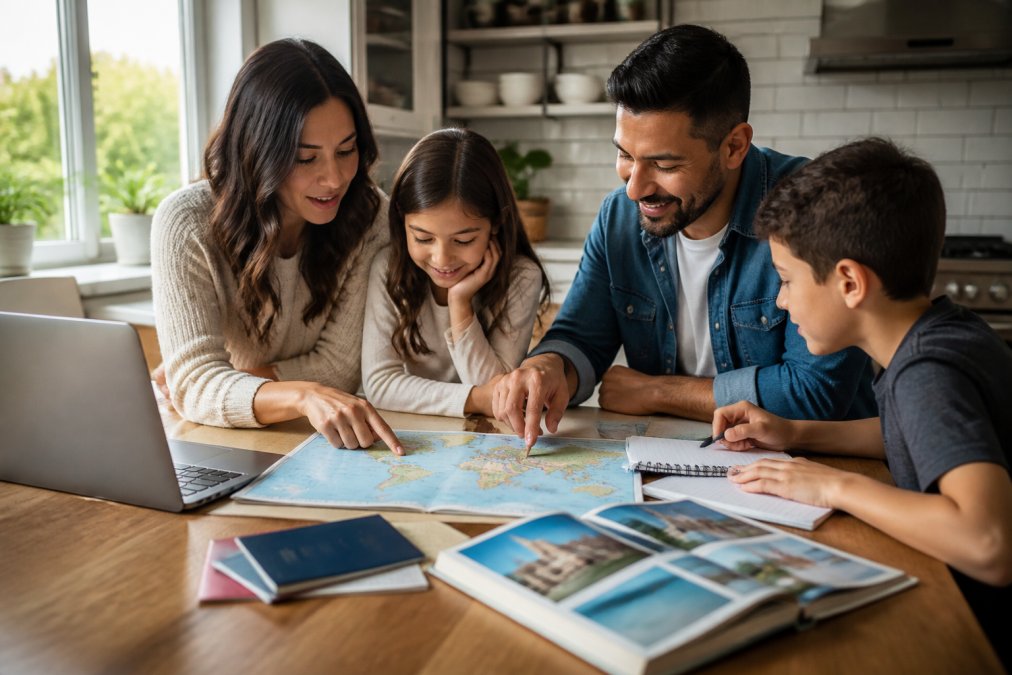
When families approach travel as a language immersion opportunity, the benefits extend far beyond the vacation itself. Language skills deepen in ways classroom instruction alone cannot achieve. Your kids hear native speakers in real contexts, ordering food, negotiating prices, asking for directions, and they internalize not just vocabulary but rhythm, accent, and cultural nuance.
Beyond language acquisition, bilingual travel planning creates what researchers call "global citizens." Children who travel intentionally with cultural and linguistic purpose develop deeper cross-cultural understanding (peer-reviewed research). They see how different communities solve problems, celebrate, and communicate. They return home with expanded perspectives that shape how they approach learning and relationships long after the trip ends.
There's also a practical benefit that parents often overlook: consistency. Bilingual families frequently struggle with language regression when children attend school in the majority language. Strategic travel breaks that cycle. A two-week immersion abroad can reignite enthusiasm for a heritage language and reinforce skills that might otherwise fade (peer-reviewed research).
For families working with a bilingual travel advisor, someone like the team at Sand and Sun Travels who understands both the logistics and the language goals, the planning process itself becomes less stressful. Instead of juggling hotel bookings, cultural research, and language-specific itinerary design, you're working with someone who speaks your languages and understands what your family actually needs.
Step-by-Step Travel Planning Process for Bilingual Families
Define Your Family's Language and Cultural Goals
Before you book anything, get clear on what success looks like. Are you trying to maintain a heritage language or build proficiency in a new one? Does your family want daily immersion, or would you prefer a balance of cultural experiences with some English-speaking comfort? Are there specific communities or cultural traditions your family wants to connect with?
These questions matter because they determine everything downstream, which destinations make sense, what type of accommodations you'll need, which activities create real language practice versus just sightseeing.
Some families prioritize staying with host families or in homestay situations where English isn't an option. Others want a mix, perhaps a few days in a more immersive setting and a few days in family-friendly tourist areas where kids can practice without total pressure. There's no universal right answer. What matters is naming your actual priorities before the planning starts.
Document these goals in writing. Share them with anyone helping you plan, whether that's a family travel advisor or a trusted friend who knows your family well. The more specific you are about language level, comfort needs, and cultural interests, the better your itinerary will serve your family's actual needs rather than generic travel industry defaults.
Research Destinations with Strong Language Immersion Opportunities
Not all destinations support bilingual travel planning equally. Some regions have strong infrastructure for language learners, organized immersion programs, communities of expat families, tour operators experienced with language-focused travel. Others require more creative planning and flexibility.
Start by identifying destinations where your target language is genuinely spoken and where there's existing infrastructure for family visitors. Does the region have language schools that offer family programs? Are there communities where your heritage language is primary? What's the tourism infrastructure like, can you find English-speaking support if you need it, or will your family be fully immersed?
Research the practical realities too. School calendars matter if you're planning around your kids' schedule. Weather and seasons affect what activities are feasible. Cost of living varies dramatically, some destinations offer incredible value for families, while others are expensive even by US standards.
This is where working with someone experienced in bilingual travel planning becomes valuable. A family travel advisor familiar with language immersion destinations can tell you which regions actually deliver on cultural experience versus which are heavily touristed areas where English dominates. They know which neighborhoods have authentic community life and which are built primarily for visitors.
Build Your Itinerary Around Language Practice
Once you've chosen your destination, structure your days intentionally. Don't just book hotels and attractions. Build in time for language practice that doesn't feel forced.
This might mean staying in a neighborhood where you'll interact with locals for daily needs, shopping at markets, eating at family-run restaurants, navigating public transit. It might mean booking a cooking class taught in your target language, or arranging time with a local tutor or conversation partner. Some families hire a local guide specifically to spend time with the kids, creating natural conversation opportunities.
The key is embedding language practice into the normal rhythm of your days rather than treating it as a separate activity. Kids learn language best when they're motivated by something they actually want to do, ordering ice cream, playing with local children, figuring out how to get somewhere, not when they're sitting in a formal lesson.
Prepare Documentation and Logistics
Bilingual families often have more complex documentation needs. If your children have dual citizenship or hold passports from multiple countries, you need to understand which passport to use for entry and exit. Some countries have specific rules about this (state.gov). If you're traveling with children whose surnames differ from yours, bring documentation establishing the relationship.
Research vaccination requirements, visa regulations, and travel insurance options. Some destinations require specific vaccines; others have entry restrictions that change seasonally. Travel insurance becomes especially important for families with complex needs, make sure your policy covers language-specific medical situations if relevant.
Create a document with essential information in both English and your target language: your family's names, emergency contacts, any medical conditions or allergies, hotel addresses, and key phrases. This isn't just practical, it's a way to reinforce vocabulary with your kids before you go.
Language Immersion Travel Tips for Maintaining Skills Abroad
The risk with family travel is that everyone defaults to English. Your kids connect with other English-speaking tourists. Hotel staff switch to English when they hear an accent. The path of least resistance pulls your family toward the majority language.
Combat this intentionally. Set family agreements before you travel: certain meals are "Spanish-only" or "French-only," depending on your target language. Make it a game rather than a rule. When someone slips into English, gently redirect without making it feel like punishment.
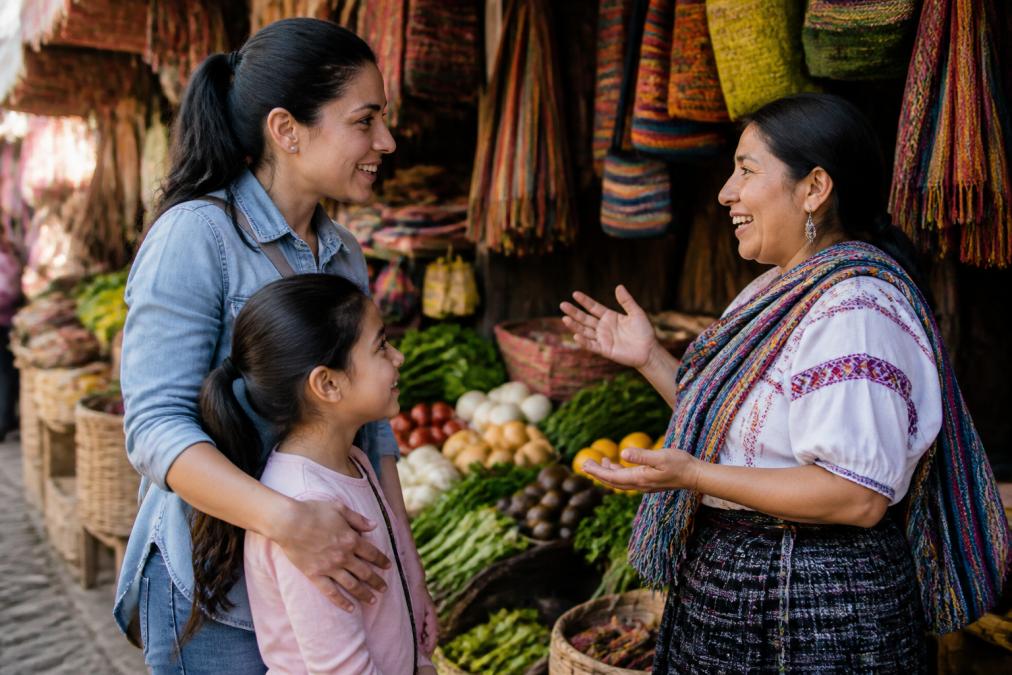
Seek out activities that require language use. Sign your kids up for local sports, music lessons, or art classes, even short ones. These put them in situations where they must communicate in the target language because the instructor doesn't speak English. The motivation is intrinsic: they want to participate, so they figure out how to communicate.
Use downtime strategically. Rather than letting kids watch English-language content, find local children's programming or audiobooks in your target language. Encourage journaling in the target language. These small habits maintain momentum during the trip and create continuity when you return home.
One often-overlooked strategy is connecting with local communities before you travel. Some families find language exchange partners online, arrange virtual conversation sessions before the trip, and then meet in person while traveling. This creates genuine relationships rather than transactional tourist interactions.
Managing Routines and Language Consistency While Traveling
Travel disrupts routines, which is part of what makes it valuable, but it can also derail language consistency if you're not intentional. Tired kids revert to their dominant language. New environments create stress that makes language practice feel harder, not easier.
Protect the routines that matter most. If your family has a bedtime language ritual, reading stories in your target language, for example, keep that going even when you're traveling. If your kids do language homework or practice at home, find a way to continue that abroad, even in modified form.
Build in recovery time. Don't schedule activities back-to-back every day. Kids need downtime to process language input, and families need space to breathe. A day at the beach or a quiet afternoon at your accommodation isn't wasted time, it's when language integration actually happens.
Be realistic about language consistency. Travel is inherently disruptive. Your family might speak less of your target language on travel days or when dealing with logistics. That's normal. What matters is the overall trajectory: more immersion than you'd get at home, intentional practice built into your days, and a family commitment to using the language even when it's harder than defaulting to English.
How to Choose a Family Travel Advisor
Not all travel advisors understand bilingual travel planning for families. Many focus on logistics, getting you to your destination on time, booking hotels, arranging transportation. Those things matter, but they're not the hard part of bilingual family travel.
The right advisor understands the intersection of language goals and travel logistics. They know which destinations genuinely support language immersion versus which are primarily tourist infrastructure. They ask questions about your family's language level, comfort needs, and cultural interests. They don't just book standard family packages; they customize itineraries around what your family actually needs.
Look for advisors who are fluent in your target language. If you're planning bilingual travel, working with someone who speaks both English and your heritage language makes a massive difference. They understand the nuances of what you're trying to accomplish and can communicate directly with local contacts in your target language.
Ask about their experience with families similar to yours. Have they planned trips for bilingual families before? Can they speak to specific destinations where families like yours have had success? Do they have relationships with local guides, language schools, or homestay programs that support language immersion?
At Sand and Sun Travels, our team includes bilingual advisors fluent in English and Spanish, which means we understand the specific needs of bilingual families planning travel. We don't just book your hotels, we design itineraries that integrate language practice into your days, connect you with local communities, and create the conditions for real immersion rather than tourist-bubble experiences.
Common Mistakes Families Make in Bilingual Travel Planning
The biggest mistake is treating bilingual travel planning like regular family vacation planning. You can't just book a popular family resort and hope language immersion happens. It won't. You need intentional design.
Another common error is underestimating logistics. Bilingual families often have more complex documentation, insurance, and communication needs. Skipping this preparation creates stress during the trip and eats into the time you'd spend on language practice and cultural connection.
Many families also overestimate how much language practice happens naturally. Kids won't automatically seek out language immersion, they'll seek out what's easy and familiar. You need to structure the trip to create language use, not just hope it happens.
Finally, families often fail to prepare their kids mentally and linguistically before traveling. Kids who arrive unprepared for language immersion get frustrated, default to English, and miss the learning opportunity. Spending a few weeks before your trip building vocabulary, watching media in your target language, and discussing what you'll see and do makes a real difference in how much your family gets from the experience.
Bilingual travel planning for families isn't just about logistics, it's about creating conditions where language becomes part of how your family experiences the world. The difference between a trip where your kids passively consume a destination and one where they actively engage with it through language is planning. When you work with advisors who understand both travel and language immersion, you get an itinerary designed around your family's actual goals, not industry defaults. Request a quote with Sand and Sun Travels, and let our bilingual team design a journey that deepens your family's language skills while creating memories that last far beyond the trip itself.
Frequently Asked Questions
What are the benefits of using a bilingual travel planner for families?
A bilingual travel advisor removes language barriers that can create stress during family vacations. They communicate directly with hotels, tour operators, and local guides in both English and Spanish, ensuring your family's specific needs, dietary restrictions, accessibility requirements, cultural preferences, are clearly understood. They also design itineraries that prioritize language immersion opportunities, helping children maintain and strengthen their minority language skills while experiencing new cultures. Beyond logistics, they provide real human support before, during, and after your trip, so you have someone to call if plans change or issues arise.
How can language immersion travel help my children maintain their bilingual skills?
Immersion travel places children in environments where they must actively use their minority language to communicate, play, and learn, far more effective than classroom instruction alone. By selecting destinations and designing itineraries around community-based experiences, local schools, or cultural centers, children practice the language in real contexts. Consistent daily routines (meals with local families, guided tours in Spanish, bedtime stories in the minority language) reinforce skills and prevent language regression. The key is intentional exposure: choosing family-friendly destinations where the minority language is dominant, booking activities that require active participation, and maintaining structured language practice even while on vacation.
What should I look for when choosing a family travel advisor?
Look for an advisor who asks detailed questions about your family's needs, not one who offers generic vacation packages. They should be fluent in both English and Spanish (or your family's language pair) and have demonstrable experience planning travel for families with similar dynamics. Ask about their access to exclusive amenities, VIP upgrades, and resort credits, these should be backed by real partnerships, not marketing claims. Verify they provide support throughout your entire journey, not just at booking. Finally, ensure they understand how to integrate language and cultural goals into your itinerary, not treat them as afterthoughts. Real advisors customize around your children's specific needs: picky eating habits, motion sickness, learning styles, or language skill levels.
What are common mistakes parents make when planning bilingual family travel?
The biggest mistake is over-scheduling. Families pack too many activities, leaving no downtime for children to rest, process experiences, or practice language naturally through unstructured play and conversation. Another common error is choosing destinations based solely on adult interests, ignoring whether the destination actually supports language immersion or is family-friendly. Parents also underestimate travel stress and fail to maintain daily routines, which disrupts both children's behavior and language consistency. Many families also book generic family packages instead of customized itineraries, missing opportunities for cultural experiences. Finally, families often don't prepare documentation thoroughly (passports, travel insurance, medical records in both languages), creating avoidable stress during the trip.