 ultimate-guide
Planning Family Vacation With Picky Eaters
Table of Contents
- Pre-Trip Planning and Research
- Best Snacks for Picky Eaters on Road Trips
- How to Communicate Dietary Needs to Resorts
- Kid-Friendly Dining Strategies for Travel
- Managing Restaurant Expectations and Sensory Sensitivities
- Packing Strategies and Emergency Food Preparation
- Turning Travel Into Culinary Exploration
- Planning a Family Vacation With Picky Eaters: Your Action Plan
- Frequently Asked Questions
Last Updated: August 31, 2026
Pre-Trip Planning and Research
The foundation of any successful family vacation starts weeks before you leave home. Research becomes your most valuable tool when planning family vacation with picky eaters. Before booking, understand what your destination actually offers beyond resort photos.
Start by identifying restaurants near your accommodation that cater to simpler palates. Many resorts list full menus online, allowing you to review options in advance. Check for chains your kids already trust, a familiar burger joint or pizza place can be a lifesaver when culinary exploration feels overwhelming.
Look into grocery stores and convenience shops within walking distance or a short drive. Knowing you can grab backup provisions reduces travel stress significantly. Consider the climate and activities you'll encounter. Heat, travel fatigue, and unfamiliar routines can intensify food anxiety. A child who eats well at home might become more selective when dealing with jet lag or excitement.
Document your child's specific dietary needs and preferences in writing. Include not just what they won't eat, but why, whether it's texture sensitivity, temperature preference, or genuine allergy. This distinction becomes crucial when communicating with resort staff and restaurant servers.
Best Snacks for Picky Eaters on Road Trips
The best snacks for picky eaters on road trips are foods your child already accepts without hesitation. Don't use travel as an opportunity to introduce new foods; pack duplicates of proven winners rather than experimenting with unfamiliar options.
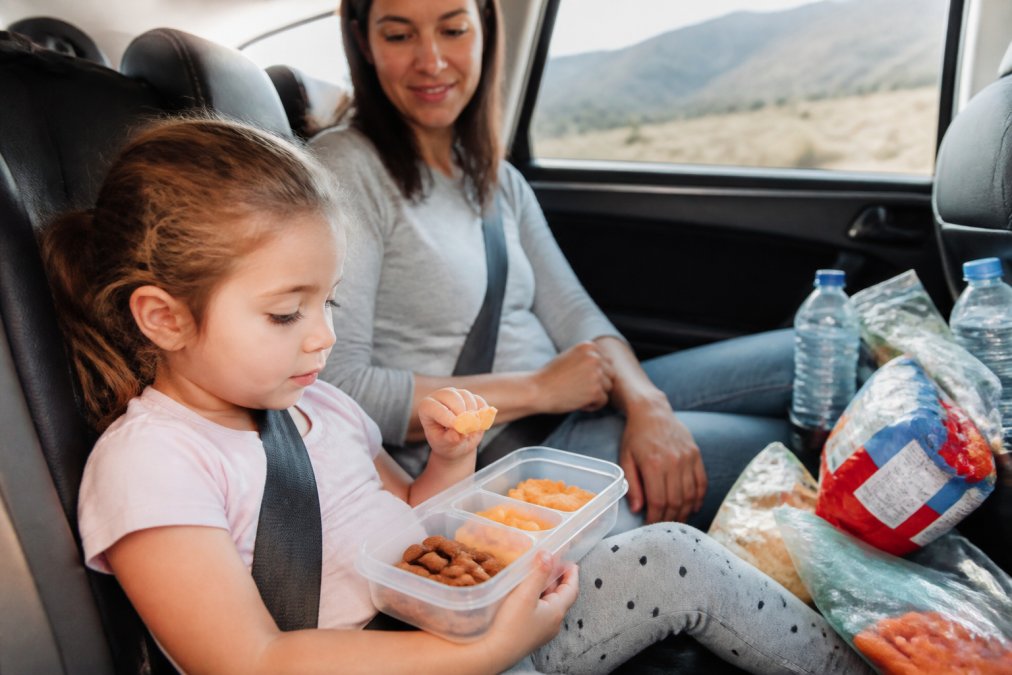
Shelf-stable proteins work better than perishables on long drives. Individually wrapped cheese sticks, nut butter packets, beef jerky, or protein bars eliminate the need for coolers and reduce food safety concerns. Non-perishable carbohydrates should include familiar options: crackers your child already enjoys, pretzels, popcorn, or bread sticks. Avoid anything sticky or messy that creates cleanup challenges in a confined space.
Hydration matters as much as solid food. Pack water bottles and familiar drinks rather than relying on rest-stop beverages. Dehydration amplifies sensory sensitivity and food anxiety (peer-reviewed research). Pack snacks in individual portions using clear containers or labeled bags. When a child can see exactly what's available, it reduces anxiety about running out of safe foods.
Time snacks strategically to prevent blood-sugar crashes that make picky eating worse. Offer substantial snacks every two to three hours rather than waiting until your child is ravenous (the NIH). A hungry, tired child becomes an impossible eater; a child with stable energy is more willing to engage with meals.
How to Communicate Dietary Needs to Resorts
Communicating dietary needs to resorts requires clarity and specificity. Generic requests like "my child is a picky eater" don't trigger the operational changes needed to ensure safe, acceptable meals. Provide detailed information about what your child will and won't eat in a format resort staff can actually use.
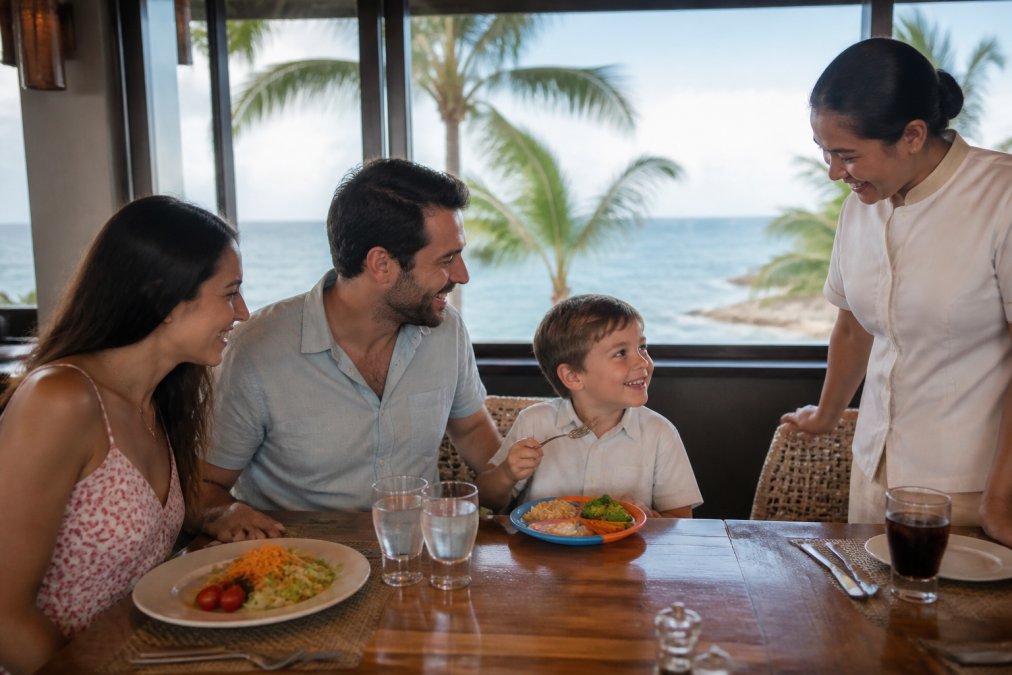
Contact the resort's food and beverage department at least two weeks before arrival. Email works better than phone calls because it creates a written record and gives the chef time to plan. Include your child's name, age, specific foods they'll eat, and specific foods they absolutely won't eat. Avoid vague language like "doesn't like vegetables"; instead say "will not eat any vegetables except carrots, which must be cooked soft."
Distinguish clearly between allergies and preferences. Allergies require kitchen protocols and cross-contamination prevention. Preferences, while legitimate, don't require the same operational intensity. Request a pre-arrival consultation with the executive chef or food manager. Many upscale resorts offer this for guests with dietary requirements.
Provide a written list of "safe foods" your child will eat. This becomes your negotiating framework. Instead of the chef guessing what might work, they're working from a concrete menu your child has already approved. Include brands when relevant, as some kids will eat Kraft mac and cheese but not store brands.
Be prepared to supplement with groceries. Even the most accommodating resort may not have every item your child prefers. Identify nearby stores and plan to purchase backup provisions.
Kid-Friendly Dining Strategies for Travel
Kid-friendly dining strategies for travel focus on reducing variables rather than forcing adventurous eating. The goal is stress-free meals, not expanding your child's palate.
Request high chairs or booster seats in advance if your younger child uses them. Familiar seating arrangements reduce one variable in an already unfamiliar environment. Order simply. Instead of complex dishes, request basic components: plain pasta with butter, grilled chicken breast, rice, bread. Kitchens can execute these reliably, and your child recognizes them instantly.
Arrive early or during off-peak hours. A quiet restaurant with attentive staff creates space for special requests without feeling rushed. Ask for substitutions without guilt. "Can my child have plain noodles instead of the pasta with sauce?" is a reasonable request. Most restaurants accommodate this readily.
Bring activity materials for the inevitable wait. Coloring books, small toys, or tablets reduce sensory overload. A calm, occupied child is more likely to eat when food arrives. Order child portions or appetizers rather than full entrees. Smaller quantities feel less overwhelming and reduce waste.
Managing Restaurant Expectations and Sensory Sensitivities
Managing restaurant expectations requires honesty about what sensory sensitivities actually mean. Food neophobia and sensory sensitivities aren't character flaws; they're neurological responses to unfamiliar stimuli (peer-reviewed research).
Sensory sensitivities often involve texture, temperature, smell, or appearance rather than taste alone. A child might refuse foods that are mushy, foods served cold, or foods that look unusual. These preferences are real and legitimate, not phases to overcome during vacation.
Communicate sensory needs to servers using specific language. "My child has sensory sensitivities to certain textures" is more helpful than "my child is picky." This frames the issue as a neurological characteristic rather than behavior. Request modifications that address sensory concerns. If your child won't eat soft foods, ask for items that are firm and require chewing. If temperature matters, request foods served hot or cold as appropriate.
Validate your child's sensory experience without judgment. When a child says something tastes or feels wrong, that's their genuine sensory perception. Manage your own expectations about restaurant meals. A meal where your child eats calmly and feels safe is a successful meal, regardless of what's on the plate.
Packing Strategies and Emergency Food Preparation
Packing strategies for traveling with picky eaters require treating food as seriously as you treat passports and medications. Dedicate luggage space specifically to backup provisions.
Pack shelf-stable proteins, carbohydrates, and fats in quantities that cover every meal plus snacks for at least three days. Include items your child will eat without complaint: specific crackers, specific nut butters, specific dried fruits if they're accepted. Include multivitamins if your child's diet is particularly limited, as travel stress combined with food anxiety can create nutritional gaps.
Bring a small cooler and ice packs for items requiring refrigeration. Include yogurt, cheese, deli meat, or other proteins your child accepts. Pack utensils, napkins, and plates if your child has specific preferences about how food is presented or eaten. Include emergency meals: shelf-stable options that require minimal preparation. Instant oatmeal, cereal, canned pasta, or instant rice provide complete meals when nothing else works.
Research pharmacy locations near your accommodation. If your child becomes ill or develops digestive upset from travel stress, knowing where to find familiar medications reduces panic.
Turning Travel Into Culinary Exploration
Turning travel into culinary exploration works best when it's optional, not forced. Never pressure a picky eater to try new foods as a vacation requirement. Instead, create opportunities where adventurous eating feels like choice rather than obligation.
Research local foods that align with your child's existing preferences. If your child likes pasta, find the region's signature pasta dishes. Involve your child in choosing restaurants. When kids participate in the decision, they're more invested in the outcome.
Visit markets and food shops together. Markets are low-pressure environments where kids can observe without obligation. Create a "try it if you want" framework rather than "you must try it." Plate a small portion of something new alongside familiar foods. Make it clear that tasting is optional.
Celebrate small steps without exaggeration. If your child tries a new food, acknowledge it positively without making it a massive deal. Accept that some trips won't include culinary exploration. A vacation where your picky eater feels safe and well-fed is successful, even if they eat the same foods they eat at home.
Planning a Family Vacation With Picky Eaters: Your Action Plan
Planning family vacation with picky eaters succeeds through preparation, flexibility, and realistic expectations. Start your planning eight to ten weeks before departure, giving yourself time to research destinations, communicate with accommodations, and gather provisions without rushing.
Create a detailed document listing your child's specific food preferences and sensory needs. Include foods they'll definitely eat, foods they might eat under certain conditions, and foods they absolutely won't eat. Share this document with your resort, restaurants, and anyone else involved in meal preparation.
Identify backup resources before you need them. Research nearby grocery stores, pharmacies, and restaurants with simple menus. Pack conservatively. Bring proven snacks and emergency meals, but don't overload your luggage. You can purchase additional supplies at your destination if needed.
Communicate with your travel team about your family's needs. At Sand and Sun Travels, our advisors understand that planning family vacation with picky eaters requires more than standard itineraries. We customize every detail, from restaurant selections to grocery shopping locations to resort meal coordination, ensuring your family travels without the stress of figuring out meals on the fly. Our bilingual team can communicate directly with international resorts and restaurants, removing language barriers that complicate dietary requests.
Manage expectations before departure. Discuss with your child what meals might look like at your destination. Show them pictures of restaurants and foods they might encounter. Build flexibility into your schedule. Don't overpack activities around mealtimes.
Remember that feeding your picky eater during vacation isn't about expanding their palate. It's about ensuring they're nourished, safe, and comfortable while your family creates memories together. A successful vacation is one where everyone, including your selective eater, feels supported and secure.
Planning family vacation with picky eaters doesn't have to derail your travel dreams. The right preparation transforms mealtimes from a source of stress into a manageable part of your itinerary. Sand and Sun Travels specializes in exactly this kind of detailed, family-focused travel planning. Our advisors work with you to identify kid-friendly restaurants, coordinate directly with resorts about dietary needs, and build flexibility into your schedule so meals enhance your vacation rather than complicate it. Request a Quote to work with our team and discover how personalized travel planning makes family vacations genuinely enjoyable for every family member.
Frequently Asked Questions
What are the best snacks to pack for picky eaters on a road trip?
Pack familiar, shelf-stable foods your child already enjoys: crackers, cheese, fruit pouches, granola bars, and pretzels. Store snacks in individual containers to make selection easy and keep the car organized. Bring more than you think you'll need, travel delays happen, and having backup options reduces stress for both you and your child.
How do I communicate dietary preferences to resort staff?
Contact your resort 2-3 weeks before arrival with a written list of your child's safe foods, allergies, and sensory sensitivities. Be specific: instead of 'picky eater,' say 'prefers plain pasta without sauce' or 'texture-sensitive, needs soft foods.' Request a meeting with the chef or dining manager on your first day. Many resorts with personalized travel planning support can arrange this ahead of time, ensuring the kitchen is prepared and your child has safe dining options from day one.
How can I encourage my child to try new foods while on vacation?
Pair unfamiliar foods with safe, familiar ones on the same plate. Focus on culinary exploration as an adventure rather than a requirement. Visit local markets or food stalls where your child can observe food being prepared, this builds curiosity. Avoid pressure; the goal is exposure and comfort, not immediate acceptance. Many children expand their palate gradually through repeated, low-stress exposure during travel.
What should I do if my child has sensory sensitivities during dining out?
Research restaurants in advance using online menus and reviews that mention sensory-friendly options. Call ahead to discuss your child's sensory needs with the manager. Request accommodations like quieter seating, plain preparations, or items served separately. Bring comfort items like a favorite utensil or napkin. Choose restaurants with flexible, customizable menus rather than fixed tasting menus. Having a backup plan, like portable meals from your hotel room, reduces travel stress and ensures your child stays nourished and comfortable.